Sourcing products from China or Japan can unlock massive opportunities, better pricing, higher quality, and access to manufacturers that power some of the world’s largest brands. But success depends on more than just finding a supplier online. It requires understanding how these manufacturing ecosystems actually work.
At StripeCargo, we regularly assist clients who source from Asia, and the biggest challenges we see usually come from misunderstandings — not bad intentions. This guide breaks down what you need to know before placing an order.
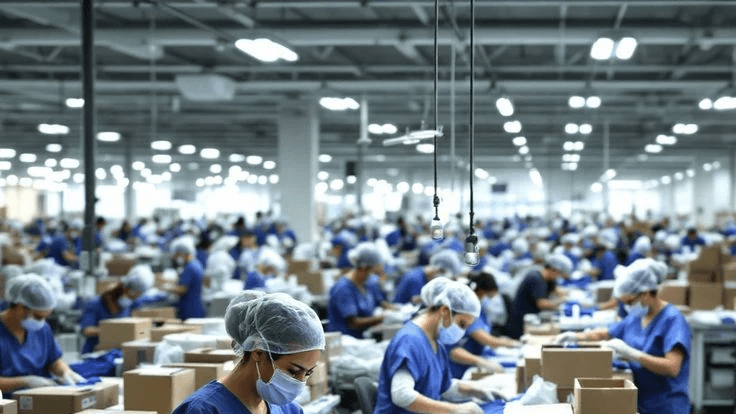
China vs Japan: Two Very Different Manufacturing Cultures
Although often grouped together, China and Japan operate on very different manufacturing models.
China: Scale, Speed, and Flexibility
China is built for:
- Mass production
- Customization and private labeling
- Fast turnaround times
- Competitive pricing at volume
Most Chinese manufacturers operate within industrial clusters — regions that specialize in specific products (electronics, garments, furniture, plastics, etc.). This allows suppliers to scale quickly, but it also means quality can vary widely depending on the factory
Key characteristics:
- MOQ (Minimum Order Quantity) is common
- Pricing improves significantly at volume
- Communication is often sales-driven
- Product quality depends heavily on specifications provided
China rewards buyers who are clear, detailed, and structured.
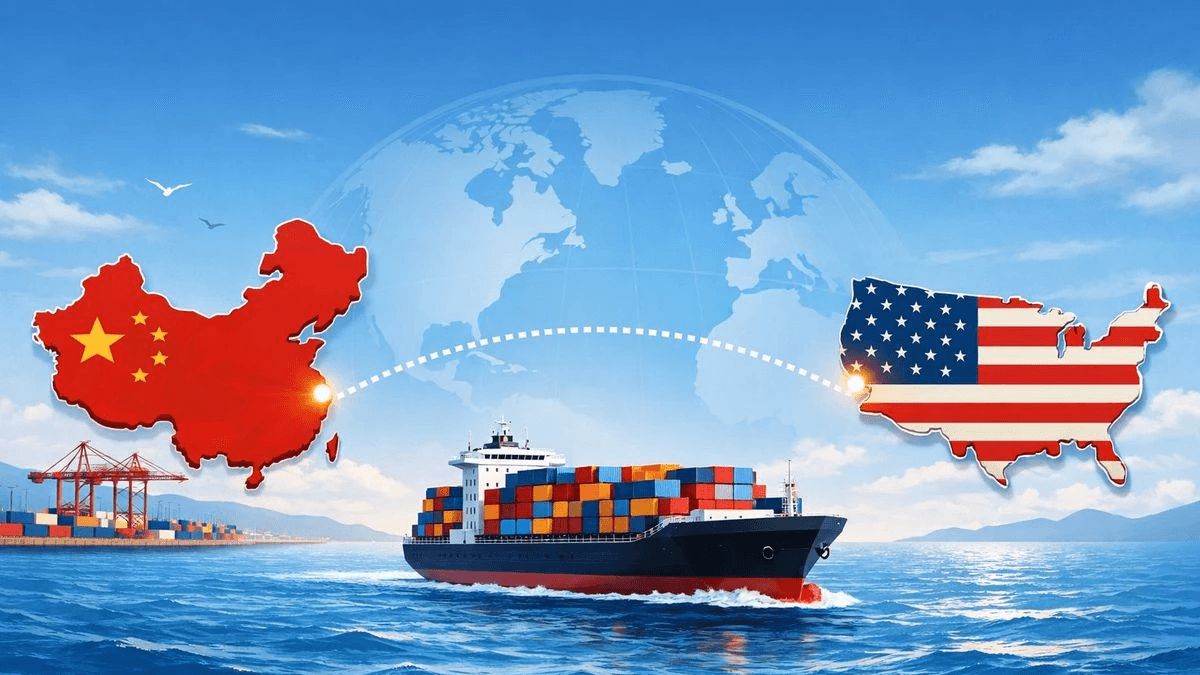
Japan: Precision, Quality, and Process
Japan’s manufacturing ecosystem is very different.
Japanese manufacturers focus on:
- Precision engineering
- Long-term supplier relationships
- Consistent quality
- Strict production standards
Many factories are highly specialized and may not cater to small, one-off buyers. Pricing is usually higher, but quality control and consistency are exceptional.
Key characteristics:
- Lower tolerance for ambiguity
- Strong emphasis on process and documentation
- Less flexibility with customization
- Fewer “negotiations,” more fixed standards
Japan rewards buyers who are prepared, patient, and professional.
The Biggest Mistake New Importers Make
The most common mistake is assuming:
“Ordering online is the same as sourcing.”
It’s not.
Marketplaces like Alibaba, 1688, or Rakuten are entry points, not guarantees. Without proper verification, buyers risk:
- Incorrect materials
- Misunderstood specifications
- Packaging issues
- Delays at origin
- Weight and volume surprises
This is where logistics planning becomes just as important as sourcing.
Why Logistics Must Be Planned Before You Order
Many buyers only think about shipping after they’ve placed an order. This often leads to:
- Unexpected costs
- Delays at consolidation
- Incorrect shipping method selection
- Clearance complications
A proper sourcing workflow looks like this:
- Identify supplier
- Confirm product specifications
- Estimate weight and volume
- Select shipping method
- Confirm total landed cost
- Place order
This approach prevents surprises and protects your margins.
How StripeCargo Supports Asia-Based Sourcing
StripeCargo assists clients at different stages of the sourcing process, including:
- Shipping coordination from China or Japan
- Weight verification and consolidation
- Transparent pricing before shipment
- Structured handling and documentation
- Insurance-backed imports
- Clear timelines and milestone tracking
Whether you are importing a single item or managing repeat shipments, having a logistics partner that understands international sourcing reduces risk significantly.
China and Japan offer incredible opportunities — but only for buyers who respect how their manufacturing ecosystems operate.
Success comes from:
- Understanding the culture
- Asking the right questions
- Planning logistics early
- Working with partners who value structure and clarity
At StripeCargo, we believe importing should feel controlled, predictable, and professional — not confusing or risky.